
When it comes to designing large homes, many homeowners often find themselves overwhelmed by the sheer size of the space. How do you create a harmonious environment in rooms that seem to stretch on forever? Whether you're dealing with sprawling mansions or spacious penthouses, managing the vastness of big spaces requires careful thought and strategic planning. One way to tackle this challenge is by seeking the expertise of the Best Interior Designers in Las Vegas. These professionals have the skills to transform your large living areas into cozy, inviting spaces without losing their grandeur. In this blog, we’ll explore the key elements of interior design for large homes and provide practical tips on how to manage big spaces effectively.

1. Start with a Clear Vision
Before you dive into decorating or rearranging furniture, it's essential to establish a clear vision of what you want your space to convey. Think about the atmosphere you want to create in your large home. Is it a contemporary, minimalistic space? Or do you prefer a more traditional, luxurious feel? A well-thought-out concept will guide all of your decisions as you navigate the challenges of designing a big space.
Working with Best Interior Designers in Las Vegas can help clarify your vision and bring it to life. These professionals take your preferences and turn them into a cohesive plan. They also consider how different elements—like color schemes, furniture styles, and lighting—can work together to create a balanced environment in a large home.
2. Use Zoning to Define Areas
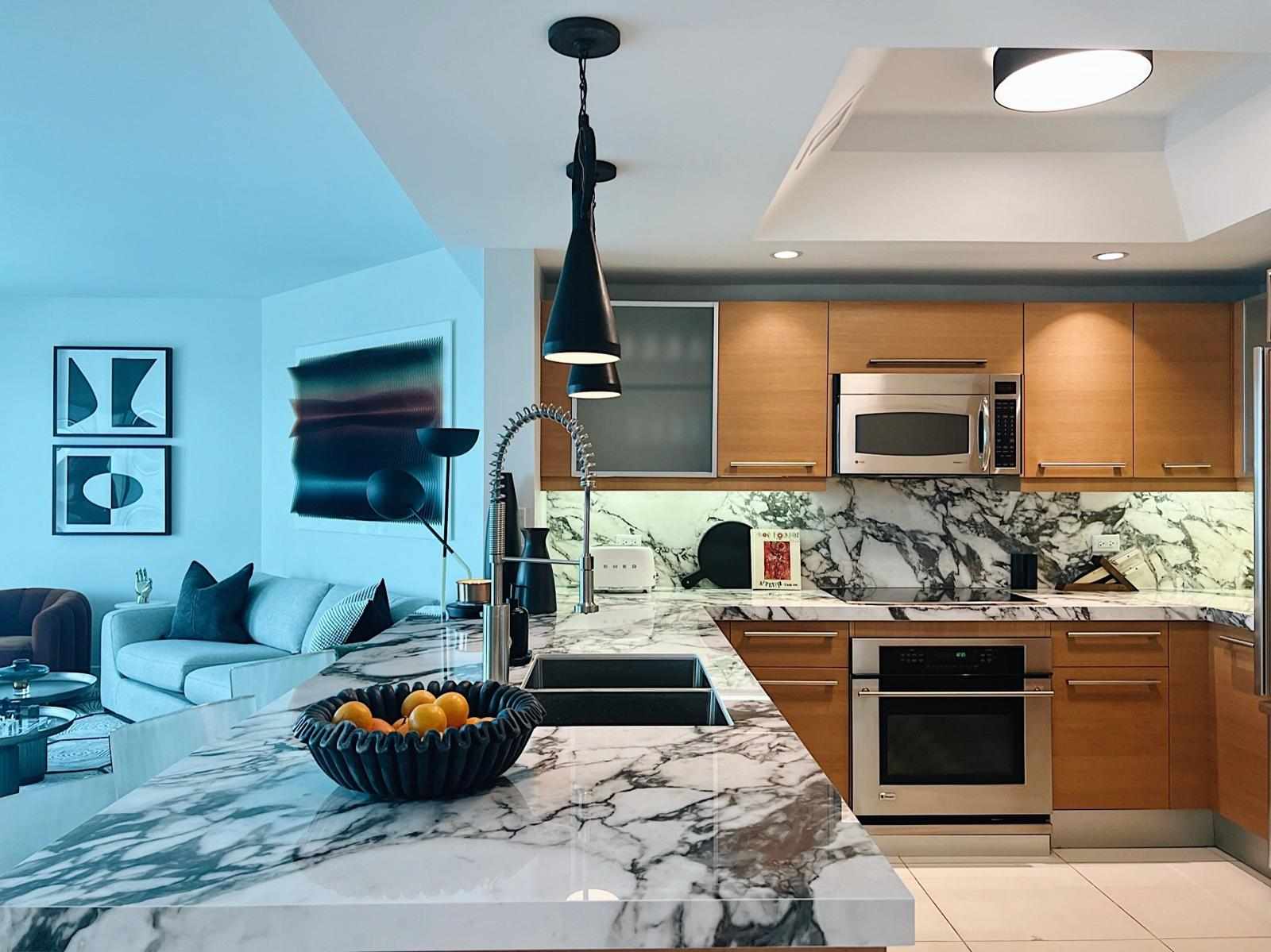
One of the first design principles for large spaces is zoning. Zoning involves dividing a large space into distinct areas, each with its own purpose and function. In large homes, especially those with open floor plans, zoning can prevent the space from feeling too vast or impersonal.
For instance, in an open-plan living area, you can create different zones for lounging, dining, and entertainment by using furniture and rugs to demarcate each area. A cozy sitting nook can be achieved with a large sectional sofa or a set of comfortable chairs, while a formal dining area can be defined with an elegant dining table and statement lighting.

To make this approach work, it's important to select furniture and accessories that complement each other while also supporting the purpose of each zone. This allows you to maintain a flow throughout the space while still giving each section its own identity. An interior designer can offer great insights into how to zone your rooms effectively.
3. Embrace the Power of Color
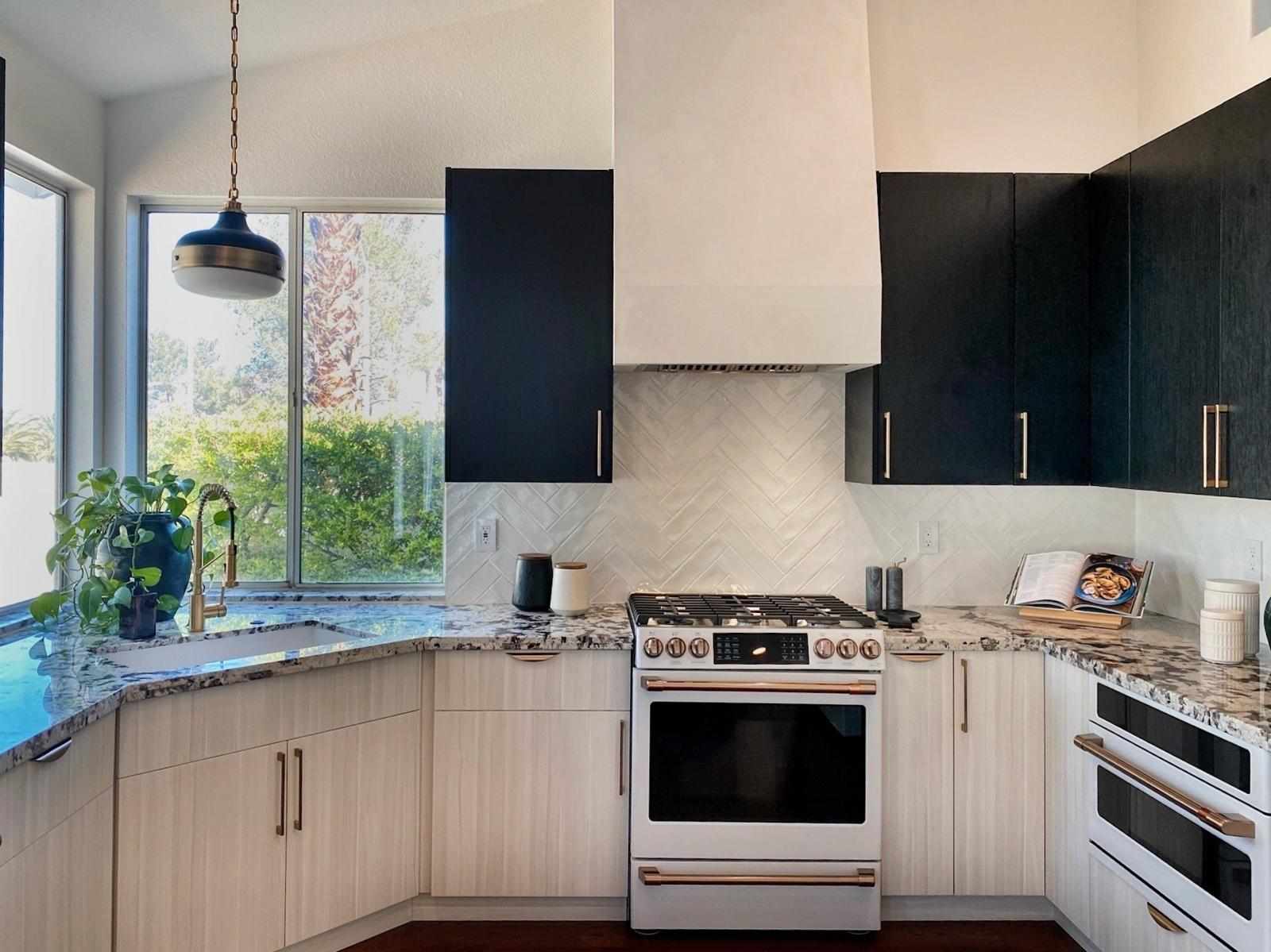
Color plays a significant role in managing the scale of large spaces. Lighter shades can make a space feel airier and more open, while darker colors can help define specific areas within the room. In a large home, you may find that some rooms feel too vast or empty if not properly accented with color.
Consider using bold accent colors in smaller areas like accent walls, cushions, or art pieces. This can break up the monotony of expansive rooms while adding character and warmth. If you have a large open-plan space, you can experiment with different tones and textures to add depth and create focal points throughout the room.
Best Interior Designers in Las Vegas know how to strategically use color to balance a large space. Whether it’s using contrasting colors in a room to separate functional zones or choosing warm tones to create a more inviting atmosphere, color can be an effective tool for managing big spaces.
4. Incorporate Statement Pieces
Large spaces often have the luxury of accommodating larger pieces of furniture and decor that would be out of place in smaller rooms. This is an opportunity to incorporate statement pieces that not only fill the space but also add character and interest.
For example, a grand piano in the living room can serve as both a functional and decorative element. Or a large, dramatic chandelier can hang in an entryway, instantly drawing attention and setting the tone for the rest of the home. In dining rooms or living areas, oversized artwork or sculptures can add visual interest and scale to the room.
The key is to choose statement pieces that reflect your personal style and the design theme of your home. Don’t be afraid to go bold, as long as the pieces complement each other and fit with the overall concept of the space.

5. Maximize Natural Light
One of the benefits of large homes is the abundance of natural light, especially if your property has expansive windows or features like skylights. Take full advantage of this by ensuring that your design maximizes the flow of natural light throughout your home.
Strategically placed mirrors can help bounce light into darker areas, and the right choice of window treatments (such as sheer curtains) can allow light to filter through without sacrificing privacy. Additionally, you can use reflective surfaces like glass tables or metallic finishes on furniture to enhance the natural light and make the space feel more open.
Natural light not only enhances the aesthetic appeal of a large home, but it also contributes to a sense of well-being. An interior designer can help you create a lighting plan that balances natural and artificial light sources, ensuring that your space always feels bright and welcoming.
6. Choose the Right Furniture Scale
In large homes, one of the most common mistakes is choosing furniture that is too small for the space. Tiny pieces can get lost in a room and fail to make an impact, leaving the space feeling cold and disjointed. On the other hand, oversized furniture can overwhelm the room, making it feel cramped and uncomfortable.
The key is finding the right scale for your furniture. In a large living room, you might opt for a large sectional sofa with a matching set of chairs or a dining table that can seat 8-10 people. Ensure that your furniture is proportional to the room, and allow for ample circulation space around the pieces.
Additionally, large homes often offer the opportunity to mix furniture styles, which can help create a more dynamic and personalized environment. Just make sure that the pieces work together in terms of scale and color, and avoid overcrowding the room with too many large items.
7. Create a Sense of Intimacy
Even though you have a large space to work with, it’s important to still create a sense of intimacy and comfort within each room. Large homes can sometimes feel too cavernous, which might leave the spaces feeling impersonal and sterile. To counteract this, consider adding cozy elements that make the space feel more inviting.
Layering textures with plush rugs, throw pillows, and soft furnishings can create a warm, welcoming atmosphere in large spaces. You can also use lower furniture pieces, such as coffee tables and side tables, to visually bring the space down and create a more intimate setting. Incorporating soft lighting, like table lamps or floor lamps, also helps add warmth and creates a more relaxed, cozy vibe.
Another way to make large spaces feel more intimate is by grouping furniture together in conversational arrangements. This encourages interaction and makes the space feel less like a grand ballroom and more like a comfortable home.
8. Focus on Flow and Continuity
In large homes, it’s essential to maintain a sense of flow between different rooms and areas. Disjointed spaces can make the home feel like a collection of separate rooms rather than a cohesive whole. To achieve this, use design elements that create continuity from one area to the next.
For example, you can use consistent flooring throughout the space or coordinate the color scheme and style of furniture across rooms. Another trick is to use architectural features like archways or open doorways to create smooth transitions between spaces.
Interior designers excel at establishing flow, ensuring that each room feels connected while still maintaining its individuality. By carefully considering how each space relates to the next, you can create a home that feels balanced and unified.
9. Don’t Overcrowd the Space
While it may be tempting to fill every nook and cranny of your large home with furniture, artwork, and decor, overcrowding can make even the largest rooms feel cluttered and chaotic. Instead, aim for a more minimalist approach. Focus on the key pieces that have the most impact and allow for negative space to create a sense of calm.
Leave room for the space to breathe, especially in high-traffic areas. This not only ensures that your large home feels spacious but also makes the design more sophisticated and intentional.
Expert Help: Elevate Your Home with Professional Interior Designers
Managing large spaces can be daunting, but you don’t have to do it alone. If you're seeking top-tier Interior Designing Services in Las Vegas, look no further than MN Design Collective. Their team of experienced designers specializes in transforming expansive spaces into cohesive, stylish, and functional environments. From zoning open floor plans to selecting bespoke furnishings, MN Design Collective offers comprehensive services tailored to meet your unique preferences. Let their expertise help you bring your vision to life while making the most of your home's grandeur.
Conclusion
Interior design for large homes is all about balance. You want to make sure that the space feels comfortable, cohesive, and visually appealing without sacrificing the grandeur that comes with a large home. Whether it’s using zoning, maximizing natural light, or choosing the right furniture scale, each element contributes to managing the vastness of the space. By working with professionals like the Best Interior Designers in Las Vegas, you can ensure that your large home is a beautiful reflection of your style while also being functional and inviting.
With careful planning, a clear design vision, and the right strategies, large homes can be transformed into cozy, yet spacious, havens that are both practical and visually stunning.






Write a comment ...